Hara’s Retirement
Japan’s most beloved actress stopped at forty-three and spent fifty-two years unseen in Kamakura.
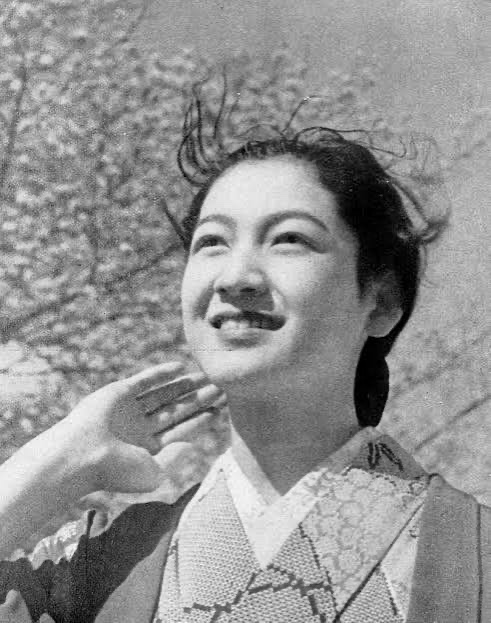
The most beloved face in Japan belonged to Setsuko Hara, and in 1963, at forty-three, she stopped acting. She gave one reason, once: she had never much liked it; it had fed her family.
What the country loved her for, mostly, were three films she made with the director Yasujirō Ozu, playing three different women who all happened to be named Noriko. In the most famous of them, Tokyo Story, she is the widowed daughter-in-law who treats two old visiting parents better than their own children do, and smiles through the whole picture like someone politely holding a door shut. Her fans called her the Eternal Virgin. She never married, and she never said whether the name amused her or wore on her.
The director whose films she was most loved in, Yasujirō Ozu, died that same year, and people have been joining those two facts ever since, without her help. She moved to Kamakura, a small city by the sea, and went back to the name she was born with in Yokohama: Masae Aida. Setsuko Hara had been the studio’s invention. She simply returned it.
She lived another fifty-two years in Kamakura, an hour from Tokyo, and was not photographed again. Her death was two months old before anyone outside her family knew of it. They had waited because she asked them to. She wanted no fuss.