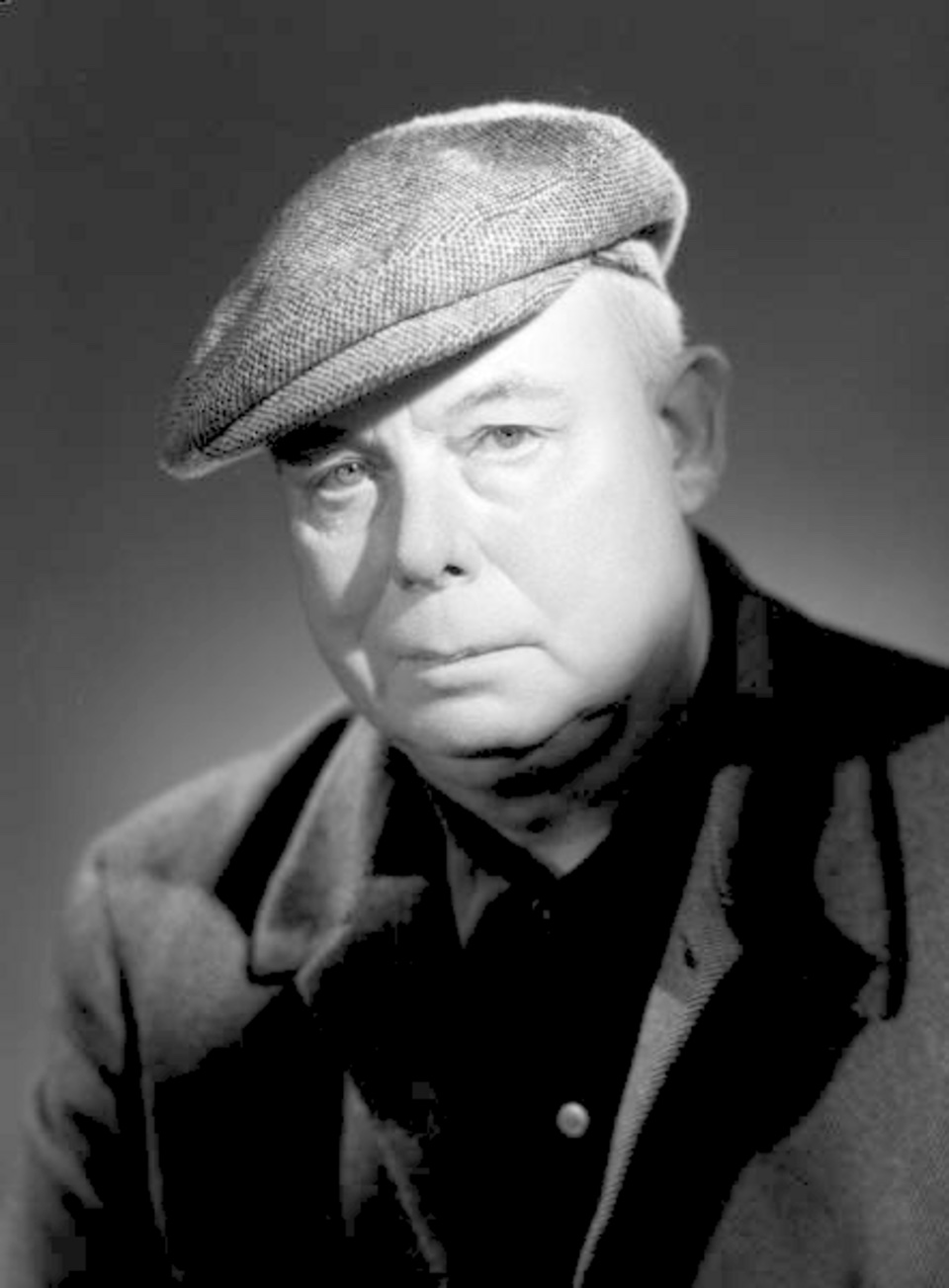
The banned masterpiece
Two governments on opposite sides of the same war agreed on one thing: The Rules of the Game had to be banned.
Two years earlier, Jean Renoir had made The Grand Illusion: the film Franklin Roosevelt said everyone who believes in democracy should see, the first foreign-language film ever nominated for Best Picture, a picture so feared in Berlin that Goebbels named it cinematographic enemy number one. Renoir, in 1939, was about as celebrated as a director could be.
Then he released his masterpiece, and his own country banned it.
The premiere was a riot: whistles, shouted abuse, one man lighting a rolled newspaper in an attempt to burn the cinema down, with Renoir in the room. He panicked and recut the film during its own run, carving away his own role first, Octave the failed conductor, mutilated by the man playing him. It appeased no one. Within months the French government banned The Rules of the Game outright as demoralizing to the nation, a comedy of manners judged too dangerous for a country entering a war. The Occupation then banned it again. Two governments, opposite sides of the same war, agreed on one thing.
An Allied bomb destroyed the original negative in 1942, and that should have been the end. It took until 1959 for two young archivists, working with Renoir’s blessing through some two hundred crates of mislabeled cans, to rebuild it fuller than any version 1939 ever saw.
Today it sits, poll after poll, decade after decade, among the two or three most admired films ever made.
Renoir said he had filmed a society dancing on a volcano. The society banned the film and kept dancing. The volcano kept its schedule.